English
 Views: 26 Author: Site Editor Publish Time: 2025-12-12 Origin: Site


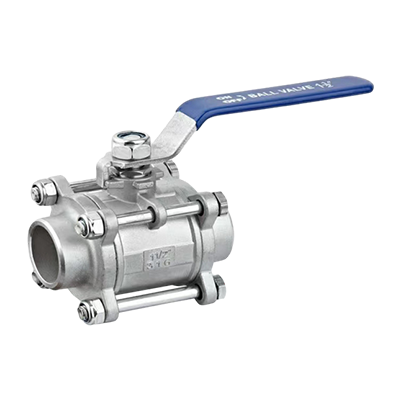
Welded ball valves are widely used in general industrial piping systems for water, oil, gas, and common chemical media. Compared with threaded or flanged connections, welded ends provide a more secure and leak-resistant joint, making them a preferred choice in HVAC, water treatment, industrial equipment, and compact automated systems.
To help you choose the right welded ball valve, this guide covers all key selection factors, including working conditions, welding end types, body materials, seat materials, actuation methods, and applicable standards.
Understanding the actual operating conditions is essential. These factors determine the correct valve configuration.
| Medium | Temperature | Pressure |
Common fluids: · Water, air, steam · Oil and fuel · Light chemical media · Non-corrosive or mildly corrosive fluids
| General-purpose welded ball valves are typically used in: · Normal temperature systems · Medium-temperature water, oil, or gas | Suitable for: · Low-pressure piping · Medium-pressure piping |
· Whether to use socket-weld (SW) or butt-weld (BW) ends
· Whether to choose carbon steel or stainless steel
· Which seat material is appropriate (PTFE, RPTFE, PPL, PEEK)
| Welding End Type | Features | Typical Applications |
| Socket-Weld (SW) | Easiest installation for small piping; ideal for compact equipment | Skid-mounted units, machinery pipelines, HVAC equipment, small industrial systems |
| Butt-Weld (BW) | Stronger connection, higher structural integrity; better for vibration or thermal cycling | Slightly higher temperature systems, oil & gas skids, industrial pipelines |
| Body Material | Corrosion Resistance | Typical Applications |
| Stainless Steel (304 / 316 / 316L) | ★★★★☆ | Water, oil, gas, steam, food & beverage, pharmaceuticals, light chemicals, RO systems |
| Carbon Steel (WCB / A105) | ★★☆☆☆ | Oil & gas, petrochemical plants, industrial equipment, high-pressure non-corrosive media |
| Low-Temperature Carbon Steel (A350 LF2) | ★★★☆☆ | Refrigeration systems, medium/low-temperature pipelines (to –46°C) |
| Duplex Stainless Steel (2205 / 2507) | ★★★★★ | Marine environments, seawater desalination, chemical plants, high-chloride media |
| Seat Material | Temperature Range | Pressure Performance | Corrosion Resistance | Suitable Applications |
| PTFE | –20°C to 150°C | ★★★ | ★★★★★ | Water, gas, food-grade media, standard chemical fluids |
| RPTFE | –20°C to 180°C | ★★★★ | ★★★★ | Industrial fluids, oils, light chemicals |
| PPS (Polyphenylene Sulfide) | Up to 230°C | ★★★★ | ★★★★ | Medium to high-temperature steam, heat-transfer oil |
| PEEK | Up to 250°C | ★★★★★ | ★★★ | High-pressure, high-temperature, oil & gas, aerospace |
| Actuation Type | Advantages | Best For |
| Manual | Most economical; simple and reliable | Small sizes, infrequent operation |
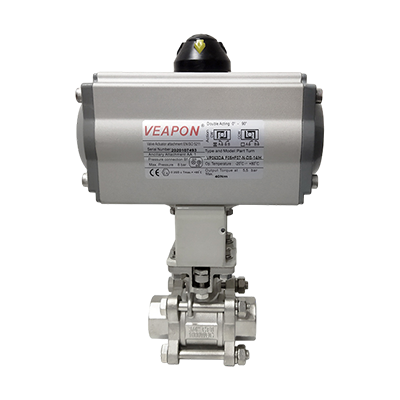
| Pneumatic | Fast action, ideal for automation; can be paired with solenoid valves & limit switches | Industrial automation, filtration units, equipment interlocking |
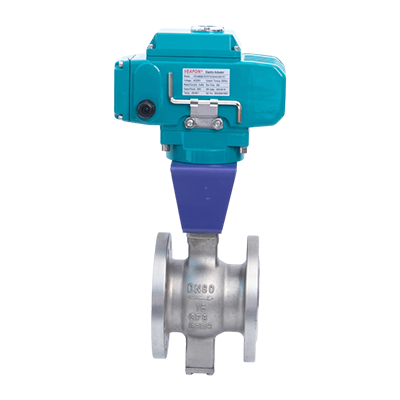
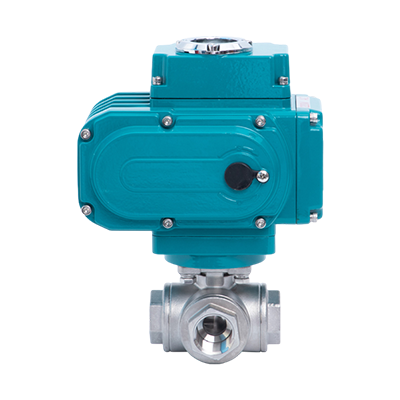
| Electric | Accurate control, slow & stable operation; supports digital control (Modbus, 4–20 mA) | Water treatment, HVAC, process automation |
Choosing the correct standard ensures compatibility with pipeline dimensions:
· ANSI / ASME – North America, Middle East, South America
· DIN – Europe, Russia, Middle East
· JIS – Japan, Southeast Asia
SLVCN supports all three major standards for welded ball valves.
Welded ball valves may not be the best choice if you require:
· Frequent disassembly or maintenance
· Flange compatibility for inspection
· Cryogenic service (e.g., LNG)
· Extreme high-temperature steam
· Large-diameter pipelines
In these cases, flanged or threaded valves may be more suitable.
Choosing the right welded ball valve requires evaluating the working conditions and matching them with the appropriate welding ends, body materials, seat materials, and actuation methods. For general industrial applications, welded ball valves offer excellent sealing, stable performance, and long service life.
With over 30 years of manufacturing experience, SLVCN provides high-quality socket-weld and butt-weld ball valves in stainless steel and carbon steel, available with manual, pneumatic, or electric actuation. We support ANSI, DIN, and JIS standards and offer OEM customization for global customers.
This article is part of SLVCN's Valve Knowledge Series, where we share practical insights on valve selection, operation, and automation.
Read our previous posts:
Why Welded Ball Valves? Features, Types, And Applications
From Stainless To Carbon: Which Metallic Ball Valve Material Fits Your Pipeline?
How to Choose the Right Ball Valve Seat Material?