English
 Views: 0 Author: SLVCN Technical Team Publish Time: 2026-10-13 Origin: Site


Choosing the right ball valve seat material for steam service is not simply a matter of selecting the material with the highest temperature rating.
For a high-temperature ball valve, seat performance is affected by steam temperature, pressure, differential pressure, whether the steam is saturated or superheated, operating frequency and thermal cycling. A seat that performs well in a moderate steam line may creep, deform or lose sealing performance as these conditions become more severe.
So the key question is not only:
"What temperature can this seat material withstand?"
A more useful question is:
"Can this seat maintain sealing and dimensional stability under the actual steam temperature, pressure and differential pressure?"
When selecting a steam ball valve, first determine whether the medium is saturated steam or superheated steam. Then confirm the operating and design temperature, pressure, maximum differential pressure, valve size and operating frequency.
For relatively moderate, clean steam service, a polymer seat may still provide reliable shut-off with low operating torque. As temperature, pressure and seat load increase, creep resistance and dimensional stability become more important.
Once the application involves superheated steam, high differential pressure, frequent thermal cycling or particles in the medium, a metal seated ball valve becomes much more important to evaluate.
The following table provides a practical starting point.
| Seat Material | When to Consider It | Typical Applications | Main Point to Check |
| RPTFE | Moderate steam conditions where tight shut-off and relatively low torque are required | Saturated steam utility lines, hot water and condensate systems, general industrial steam isolation | Filler type, pressure-temperature rating and creep under load |
| TFM 4215 | A PTFE-based seat is still preferred, but improved dimensional stability and wear resistance are required | Industrial steam isolation, frequent cycling service, hot process lines | Do not treat it simply as a higher-temperature version of RPTFE |
| PPL | Higher-temperature service where a non-metallic seat is still preferred | Elevated-temperature steam, thermal oil and other clean hot process media | Exact material grade and valve manufacturer's pressure-temperature rating |
| PEEK | Elevated temperature combined with higher pressure or mechanical seat load | Higher-pressure steam systems, chemical processing and demanding industrial isolation | Complete valve pressure-temperature rating rather than raw polymer capability |
| Metal Seat | Superheated steam, high ホ捻, frequent thermal cycling or severe service | Power plant steam systems, refinery and petrochemical high-temperature lines, steam containing particles | Hardfacing, leakage class, thermal expansion and operating torque |
This table is intended as a selection direction rather than a fixed temperature limit. Final selection should always be checked against the pressure-temperature rating and seat design of the complete valve.
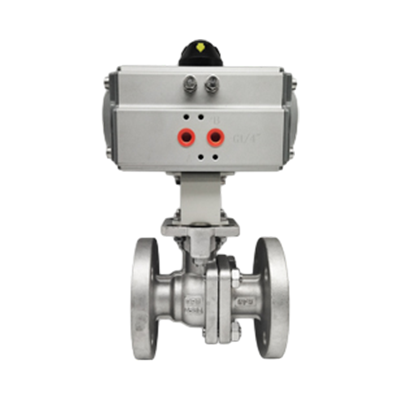
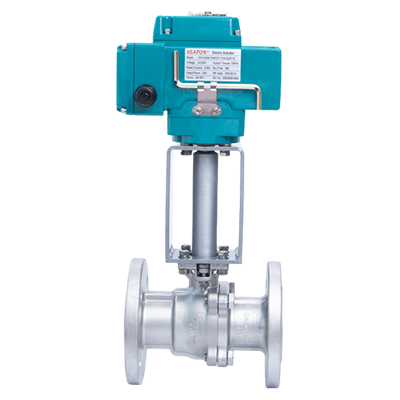
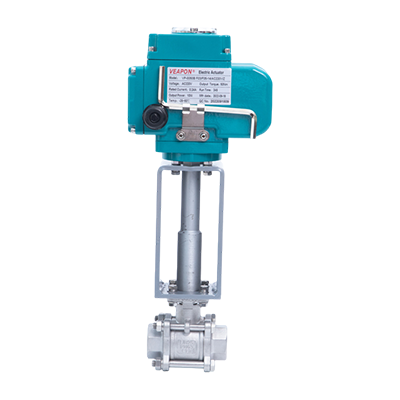
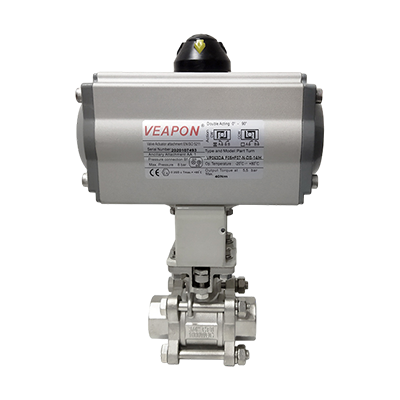
Typical high-temperature ball valve assemblies for steam service
RPTFE seats are commonly used when better mechanical strength and creep resistance are required than virgin PTFE can provide.
For clean, moderate steam conditions, RPTFE can provide good shut-off performance with relatively low friction and operating torque. It is therefore a practical seat option for many industrial steam ball valve applications.
However, RPTFE is not a single material formulation. Different fillers and compounds can have different mechanical and thermal properties. As steam temperature, pressure and differential pressure increase, deformation and creep become increasingly important.
TFM 4215 belongs to the modified PTFE family but has different mechanical characteristics. According to the material data, it contains 25% electro-graphitized carbon and is designed to provide improved dimensional stability, surface hardness and resistance to deformation and wear compared with conventional unfilled PTFE.
This makes TFM 4215 worth considering when a PTFE-based seat is still desirable but seat loading, wear or cycling conditions are more demanding.
However, TFM 4215 should not simply be regarded as the next temperature step after RPTFE. Valve size, differential pressure, seat geometry and the complete valve rating still determine whether it is suitable.
When PTFE-based seats approach their practical limits, PPL or PEEK may be considered before moving directly to metal seating.
PPL is commonly offered by valve manufacturers for higher-temperature non-metallic seat applications. Typical applications include elevated-temperature steam, thermal oil and other clean hot process media.
One important point is that "PPL" alone is not a sufficiently precise engineering specification. Material formulation and allowable pressure-temperature ranges can vary between manufacturers, so the actual grade and valve rating should be confirmed before selection.
PEEK has high stiffness, mechanical strength, wear resistance and good creep resistance at elevated temperatures. It is particularly useful when a valve combines higher temperature with higher pressure or greater mechanical seat loading.
However, the allowable temperature of a PEEK-seated ball valve must be determined from the complete valve pressure-temperature rating rather than the temperature capability of the raw polymer alone.
For a ball valve for steam application, this distinction is important. The seat material itself may tolerate the temperature, while the seat geometry, pressure load, stem seals or other valve components may impose a lower operating limit.
There is a point where changing from one polymer seat to another is no longer the best solution.
A metal seated ball valve should be evaluated when the application involves superheated steam, high differential pressure, frequent thermal cycling, rapid temperature changes or particles that may damage a polymer seat.
This is particularly relevant to ball valves for high-temperature service in power plants, refineries, petrochemical units and other severe steam systems.
A metal-to-metal ball valve can withstand much higher thermal and mechanical loads than a conventional soft-seated design. However, using a metal seat alone does not automatically make a valve suitable for severe high-temperature service.
Ball and seat hardfacing, surface finish, lapping accuracy, thermal expansion compensation, required leakage class and operating torque all become important parts of the valve design.
For this reason, a metal seat should not be selected simply because "the temperature is high." It becomes the more appropriate direction when the complete operating conditions justify a severe-service design.
As a practical starting point, for clean saturated steam under moderate temperature, pressure and differential pressure, first evaluate RPTFE or an appropriate TFM seat.
When temperature and mechanical seat loading increase but a non-metallic seat is still preferred, evaluate PPL or PEEK according to the actual valve pressure-temperature rating.
For high-temperature superheated steam, high differential pressure, frequent thermal cycling or steam containing particles, a metal seated ball valve is normally the better direction to evaluate.
There is therefore no universal "best" ball valve seat material for steam service.
Before final selection, provide the steam type, operating and design temperature, pressure, maximum differential pressure, valve size, operating frequency and required leakage performance. These conditions are more useful than simply asking for the maximum temperature of RPTFE, TFM, PPL or PEEK.
SLVCN supplies soft-seated and metal seated ball valves for high-temperature service with manual, pneumatic and electric actuation options. If you are unsure which seat is suitable for your steam application, our team can help confirm the seat material and valve configuration based on the actual operating conditions.