English
 Views: 18 Author: Site Editor Publish Time: 2025-12-31 Origin: Site


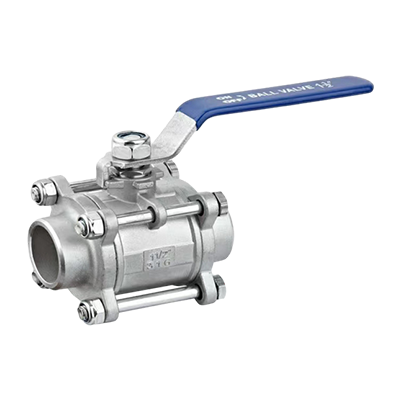
Welded ball valves are known for their strong, leak-resistant design, making them a preferred choice in industrial systems. However, like all valves, they require regular maintenance to ensure optimal performance. Here are some of the most common issues users face with welded ball valves, and simple, effective solutions to keep them running smoothly.
Problem: Leaks are one of the most common issues, often occurring at the valve stem, seals, or seats.
Solution:
· Inspect the seals and seats for wear or damage. Replace them if necessary.
·If the stem is leaking, replace the packing or lubricate it to reduce friction and ensure proper sealing.
Problem: The valve may become hard to turn or operate, especially in systems with heavy buildup or if the valve has been rarely used.
Solution:
· Clean the valve and remove any dirt or debris that might be obstructing movement.
· Lubricate the stem and actuator to ensure smooth operation.
Problem: The actuator may fail to respond or operate slowly, causing delays or inconsistent valve control.
Solution:
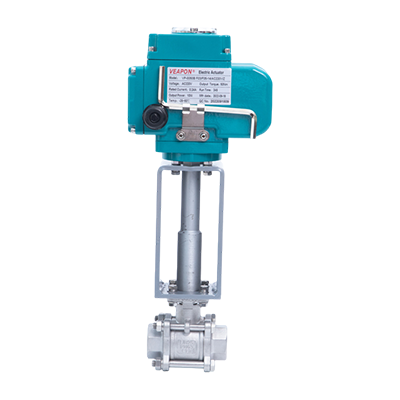
· For electric actuators, check for corrosion or loose wiring in the electrical connections. Clean and reconnect if necessary.
· For pneumatic actuators, inspect air lines and seals for leaks and replace any worn-out seals or fittings.
Problem: Pressure loss or erratic flow can occur if the valve is not fully opening or closing, impacting system performance.
Solution:
· Check for blockages in the valve or pipeline that might be restricting flow.
· Ensure the actuator is properly calibrated to guarantee proper valve positioning for smooth flow control.
Problem: Unusual noise or vibration during operation could be a sign of mechanical stress or internal damage.
Solution:
· Inspect the actuator for loose components or misalignment that may be causing vibrations.
· Ensure the valve is securely mounted, as improper installation can contribute to unnecessary noise and vibrations.
By addressing these common issues - leaks, sticking, actuator malfunctions, pressure loss, and noise - you can ensure the reliable performance of your welded ball valve. Regular inspection and simple maintenance can help prevent costly repairs and extend the valve's lifespan.
SLVCN offers high-quality welded ball valves for various applications, with manual, pneumatic, and electric actuation options. For more information or assistance with maintenance, feel free to contact SLVCN.
This article is part of SLVCN's Valve Knowledge Series, where we share practical insights on valve selection, operation, and automation.
Read our previous posts:
Why Welded Ball Valves? Features, Types, And Applications
Welded Ball Valve Selection Guide: How to Choose the Right Valve for Your Application
From Stainless To Carbon: Which Metallic Ball Valve Material Fits Your Pipeline?
How to Choose the Right Ball Valve Seat Material?