English
 Views: 13 Author: Site Editor Publish Time: 2026-01-28 Origin: Site


Selecting the right clamp ball valve is not simply a matter of size or pressure rating. In both sanitary and industrial pipeline systems, the performance of sanitary ball valves and other stainless steel valves directly affects system reliability, operational hygiene, and long-term maintenance efficiency. This guide outlines key factors to help engineers and buyers choose the most suitable valve based on actual operating conditions.
From a structural perspective, clamp ball valves are mainly classified into full-encapsulated and semi-encapsulated designs. This classification is widely accepted in practical applications and is driven by hygiene requirements rather than valve quality.
| Item | Full-Encapsulated Clamp Ball Valve | Semi-Encapsulated Clamp Ball Valve |
| Hygiene level | Cost level | Medium |
| External surface | Fully enclosed, smooth | Partially exposed |
| Cleaning | Easy CIP / SIP | Standard cleaning |
| Typical industries | Food, Beverage, Pharma | Water, Chemical, Industrial |
| Cost level | Higher | More economical |
Notes:
· Full-encapsulated valves feature a fully enclosed body that minimizes external gaps and dead zones, ideal for hygienic systems requiring frequent cleaning.
· Semi-encapsulated valves adopt a simpler, more industrial-oriented structure, suitable for applications where hygiene requirements are moderate.
For a detailed explanation of full- and semi-encapsulated clamp ball valves, see our previous article.
Material selection is a key factor for sanitary clamp ball valves and other stainless steel valves, affecting corrosion resistance, weld performance, and service life.
| Material | Carbon Content | Corrosion Resistance | Typical Application |
| 304 (CF8) | Standard | ★★★ | General industrial systems |
| 304L (CF3) | Low carbon | ★★★★ | Sanitary pipelines |
| 306 (CF8M) | With molybdenum | ★★★★ | Chemical processes |
| 306L (CF3M) | Low carbon + molybdenum | ★★★★★ | Food & pharmaceutical |
Low-carbon grades such as 304L and 316L reduce the risk of intergranular corrosion in welded areas and are widely used in sanitary clamp ball valves. For food, beverage, and pharmaceutical applications, 316L stainless steel is commonly preferred.
For sanitary clamp ball valves, seat and gasket materials must be selected according to media compatibility, temperature, and cleaning requirements.
| Material | Key Characteristics | Typical Sanitary Applications |
| PTFE | Excellent chemical resistance, low friction | Chemical media, mixed-process systems |
| EPDM | Good elasticity, food-grade compatible | Chemical media, mixed-process systems |
| Silicone | High flexibility, excellent hygiene | Food, pharmaceutical, biotech |
While EPDM is commonly associated with sanitary butterfly valves, it is also widely used in sanitary clamp ball valves, especially in water and beverage systems. Final material selection should consider media type, temperature, and cleaning processes.
The choice of actuation depends on operating frequency, automation requirements, and system control needs.
| Actuation Type | Operation Frequency | Typical Scenario |
| Manual | Low | Simple or infrequently operated pipelines |
| Pneumatic | High | Automated production lines |
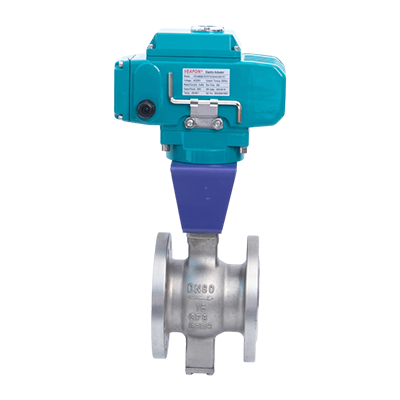
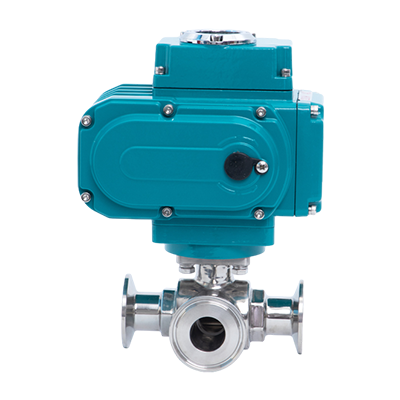
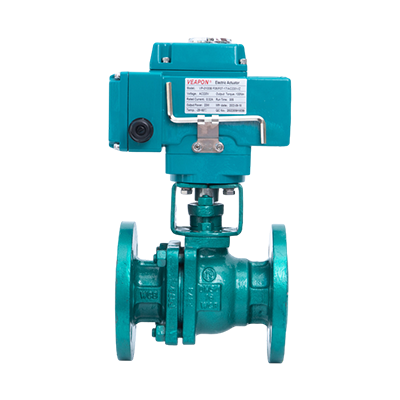
| Electric | Medium–High | Remote or centralized control systems |
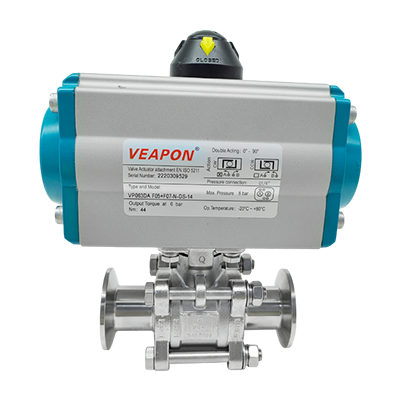
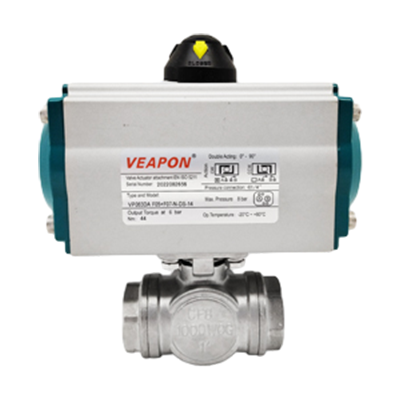
Pneumatic clamp ball valves can be equipped with additional accessories such as solenoid valves, limit switches, air filter regulators, and positioners to achieve higher levels of reliable automation and precise control.
Some sanitary and industrial systems operate under vacuum or negative pressure. Standard clamp ball valves may not provide reliable sealing in these conditions.
Vacuum-rated clamp ball valves feature optimized sealing structures and appropriate seat materials to ensure stable, leak-free operation. They are commonly used in pharmaceutical, biotechnology, and vacuum conveying systems where reliable vacuum performance is required.
This article is part of SLVCN's Valve Knowledge Series, where we share practical insights on valve selection, operation, and automation.
Read our previous posts:
What Is a Clamp Ball Valve? Structure, Working Principle and Key Advantages
How to Choose the Right Ball Valve Seat Material?
From Stainless To Carbon: Which Metallic Ball Valve Material Fits Your Pipeline?
How Ball Valves Work: The Key To Efficient Fluid Control
Types of Ball Valves: A Buyer's Guide to Choosing the Right Valve